
Introduction
Fat jokes have been a part of comedy for decades. They appear in television shows, stand-up performances, social media posts, movies, memes, and everyday conversations. Some people consider them harmless fun, while others believe they can hurt feelings and reinforce negative stereotypes. The discussion around fat jokes has become more important as society continues to talk about body positivity, mental health, and respectful communication. Understanding why these jokes exist and how they affect people helps create a more balanced perspective on humor.
Comedy has always reflected society, and fat jokes are no exception. They often rely on exaggeration, unexpected comparisons, and playful observations to make people laugh. While some audiences enjoy them, others find them insensitive because they focus on someone’s body instead of their personality or actions. Whether a fat joke is funny or offensive usually depends on the context, the audience, the intention, and the relationship between the people involved. Exploring these different aspects provides a clearer understanding of why fat jokes continue to spark debate.
Many comedians have built parts of their careers around self-deprecating humor, including fat jokes about themselves. When people joke about their own appearance, audiences often receive the humor differently than when someone else becomes the target. This difference highlights the importance of consent and perspective in comedy. A joke shared willingly by an individual about themselves carries a different meaning than one directed toward another person without permission.
Another reason fat jokes remain popular is their familiarity. Almost everyone has heard at least one fat joke in their lifetime, making them easy for audiences to recognize. However, familiarity does not automatically mean every joke is appropriate. Modern audiences often appreciate humor that is clever, creative, and inclusive rather than relying on someone’s physical appearance as the main punchline. This shift has encouraged comedians and writers to explore new styles of comedy while still entertaining audiences.
Understanding Fat Jokes
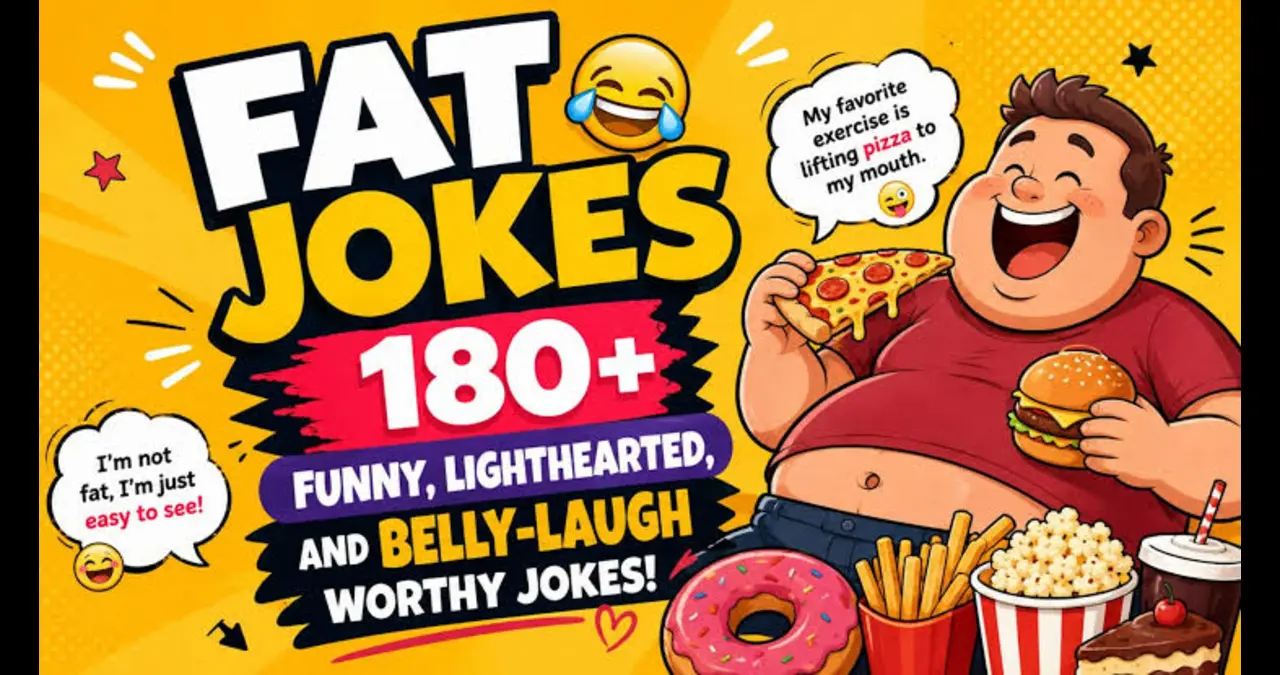
Fat jokes are humorous remarks that focus on body size, weight, or eating habits. They can range from lighthearted teasing among close friends to harsh insults intended to embarrass someone. Because there are many different forms of humor, fat jokes exist on a wide spectrum. Some are playful observations with no harmful intent, while others are deliberately offensive and designed to make someone feel uncomfortable.
Historically, body-based humor has appeared in literature, theater, and entertainment across many cultures. Writers and performers often exaggerated physical characteristics because audiences immediately understood the visual joke. Over time, fat jokes became common in sitcoms, cartoons, comedy clubs, and online content. Although these jokes were once widely accepted, changing social attitudes have encouraged people to think more carefully about their impact.
One reason fat jokes remain common is that weight is visible, making it an easy target for observational comedy. Comedians often use everyday experiences as material, and body image naturally becomes part of those observations. However, successful comedians usually understand that the strongest jokes come from clever storytelling rather than simply pointing out someone’s appearance. Creative humor tends to age better because it depends on originality instead of stereotypes.
The conversation surrounding fat jokes has also evolved because of growing awareness about mental health. Researchers and psychologists have discussed how repeated jokes about appearance may influence self-esteem, confidence, and social anxiety. While not every fat joke causes emotional harm, repeated exposure to negative body-related humor can affect how people see themselves and others. As a result, many comedians now balance humor with empathy, creating jokes that entertain without unnecessarily targeting personal characteristics.
Some people argue that comedy should have complete freedom and that every subject can be funny if presented well. Others believe comedians have a responsibility to consider how their material affects different audiences. These viewpoints continue to shape discussions about fat jokes, making the topic relevant in modern entertainment as well as everyday life.
In today’s world, audiences are more diverse than ever before. A joke that receives laughter in one group may receive criticism in another. Because of this diversity, understanding context has become essential. Rather than avoiding humor altogether, many performers simply adapt their material to connect with audiences while remaining thoughtful about potentially sensitive topics.
Why Fat Jokes Have Been Popular in Comedy
Fat jokes have remained popular throughout the history of entertainment because they are easy for audiences to recognize. Comedy often relies on exaggeration, and physical appearance has long been used as a simple way to create visual humor. Early stage performances, silent films, comic strips, and television sitcoms frequently included characters whose body size became part of their personality. These portrayals influenced generations of viewers and made fat jokes seem like a normal part of comedy.
As entertainment evolved, fat jokes spread into stand-up comedy, movies, internet memes, and social media. Digital platforms allowed jokes to reach millions of people within a short time, making body-related humor even more common. While some of these jokes were intended to be playful, others relied on stereotypes that presented overweight individuals in unfair or unrealistic ways. This widespread exposure helped keep fat jokes in public conversation while also increasing criticism of them.
Comedy often reflects what society finds familiar. Since body image is something almost everyone notices, it naturally becomes material for comedians. The challenge lies in transforming ordinary observations into clever humor instead of repeating the same stereotypes. Skilled comedians usually succeed because they tell engaging stories, create unexpected twists, and build relatable situations rather than depending entirely on someone’s appearance.
Another reason fat jokes remain common is that audiences have different opinions about what makes something funny. Some people enjoy playful teasing among close friends because they know no harm is intended. Others believe jokes about appearance can encourage negative attitudes toward body image. These different reactions explain why discussions about fat jokes continue to appear whenever a comedian performs controversial material.
Comedy has also changed alongside cultural values. Many modern audiences appreciate humor that is creative and thoughtful instead of relying on predictable body-related punchlines. As a result, many performers have expanded their material by focusing on everyday experiences, relationships, technology, work, travel, and other universal topics. This evolution demonstrates that comedy continues to grow while adapting to changing expectations.
Different Types of Fat Jokes
Not every fat joke is created in the same way. Some rely on exaggerated situations, while others use clever wordplay or self-deprecating humor. Understanding these differences helps explain why certain jokes receive positive reactions and others create controversy. The intention behind the joke often matters as much as the joke itself.
Self-deprecating fat jokes are among the most widely accepted forms of body-related humor. In these situations, comedians joke about their own experiences, eating habits, or appearance. Because they are speaking about themselves, audiences often interpret the humor as personal storytelling rather than an attack. Many successful comedians have used this approach to connect with audiences by sharing relatable moments from their own lives.
Friendly teasing represents another category. Close friends sometimes exchange playful jokes because they understand each other’s personalities and boundaries. In healthy friendships, these jokes are usually balanced, mutual, and delivered with affection rather than cruelty. However, humor that feels acceptable within one friendship may not be appropriate in another, making communication and trust extremely important.
Some fat jokes rely entirely on stereotypes instead of creativity. These jokes often portray overweight people as lazy, constantly eating, or lacking confidence. Such stereotypes ignore the fact that every individual has a unique personality, lifestyle, and life story. Because they oversimplify real people, stereotype-based jokes have become less popular among audiences who value originality and respectful humor.
Observational comedy offers another approach. Instead of targeting someone’s appearance, comedians focus on amusing situations involving clothing sizes, restaurant portions, exercise routines, or everyday experiences that many people can relate to. When handled thoughtfully, observational humor encourages laughter through shared experiences rather than personal attacks.
Finally, internet culture has introduced meme-based fat jokes that spread rapidly across social media. These jokes often combine images, captions, and trending topics to create quick entertainment. While some memes are harmless and playful, others cross the line into bullying. Because online content can reach enormous audiences almost instantly, creators increasingly recognize the importance of considering how their jokes may affect different people.
The variety of fat jokes demonstrates that humor is not simply about making people laugh. The style, context, intention, and audience all influence how a joke is received. As comedy continues to evolve, many performers aim to create laughter that is both memorable and respectful, proving that clever writing often leaves a stronger impression than relying on someone’s appearance alone.
Conclusion
Fat jokes have been part of comedy for many years, and they continue to generate both laughter and debate. Some people see them as harmless entertainment, while others believe they can reinforce negative stereotypes and affect self-esteem. The difference often comes down to context, intent, and the relationship between the people involved. A joke shared among close friends with mutual understanding may be received very differently from one aimed at embarrassing or insulting someone.
The evolution of comedy shows that audiences increasingly appreciate humor that is clever, original, and inclusive. Rather than relying on body size as the main punchline, many comedians now focus on relatable life experiences, witty observations, and creative storytelling. This approach allows humor to remain entertaining while being more respectful of diverse audiences.
Ultimately, fat jokes are just one form of comedy, and like all humor, they should be used thoughtfully. Great comedy has the power to bring people together, encourage laughter, and create memorable moments without unnecessarily hurting others. By understanding the impact of our words and appreciating different perspectives, we can enjoy humor that is both funny and considerate.
Frequently Asked Questions
What are fat jokes?
Fat jokes are jokes or humorous remarks that focus on a person’s body size, weight, or eating habits. They can range from playful and self-deprecating humor to jokes that some people may consider offensive or hurtful.
Why are fat jokes controversial?
Fat jokes are controversial because different people react to them differently. Some view them as harmless comedy, while others believe they contribute to body shaming, negative stereotypes, and lower self-confidence.
Are fat jokes always offensive?
No. Whether a fat joke is offensive depends on the context, the intention behind the joke, the audience, and whether the person involved is comfortable with that type of humor. Self-deprecating jokes are often received differently than jokes directed at others.
Can comedians still use fat jokes?
Yes. Many comedians continue to use fat jokes, but successful performers often rely on clever storytelling and thoughtful delivery instead of harmful stereotypes. Modern audiences generally appreciate humor that is creative and respectful.
What makes a fat joke funny without being hurtful?
A fat joke is more likely to be well received when it avoids personal attacks, harmful stereotypes, or malicious intent. Humor based on relatable experiences, clever observations, and mutual understanding is generally more enjoyable and inclusive.
YOU MAY READ ALSO
Fat Jokes: Understanding the Humor, Impact, and Modern Comedy